The truth about was-prices
What our price tracking shows about the crossed-out number on the badge.

Every sale leans on one number: the crossed-out "was" price next to the new one. The bigger the gap, the better the deal looks. The problem is that nobody checks whether the item ever actually sold at that "was" price.
We do. For every deal we track, we keep the highest price we have ever recorded it at and the price it held for the longest stretch. That lets us measure the saving against what the item genuinely cost, not the figure printed on the badge.
The typical sale badge across the 3,415 deals we have tracked long enough to judge is 55% off. Measured against the price the item actually holds, the median real saving is just 0% (R0). The rest of that headline is worked out from a price we have not seen the item reach.
None of this means the deals are fake. Many are genuinely low. It means the badge percentage is the wrong thing to trust. About 90% of those deals carry a was-price higher than anything we have ever recorded the item selling for, and roughly 76% save you under 10% against the price the item normally holds, whatever the sticker says. The price history is what tells the two apart.
Clear examples right now
Each of these has a was-price well above the most we have ever seen it charged.
 Real 55% off
claimed 81% off
Weber Griddle Keep Warming Rack
R145.68
Real 55% off
claimed 81% off
Weber Griddle Keep Warming Rack
R145.68  Real 58% off
claimed 81% off
Contrast Mini Skirt
R249
Real 58% off
claimed 81% off
Contrast Mini Skirt
R249 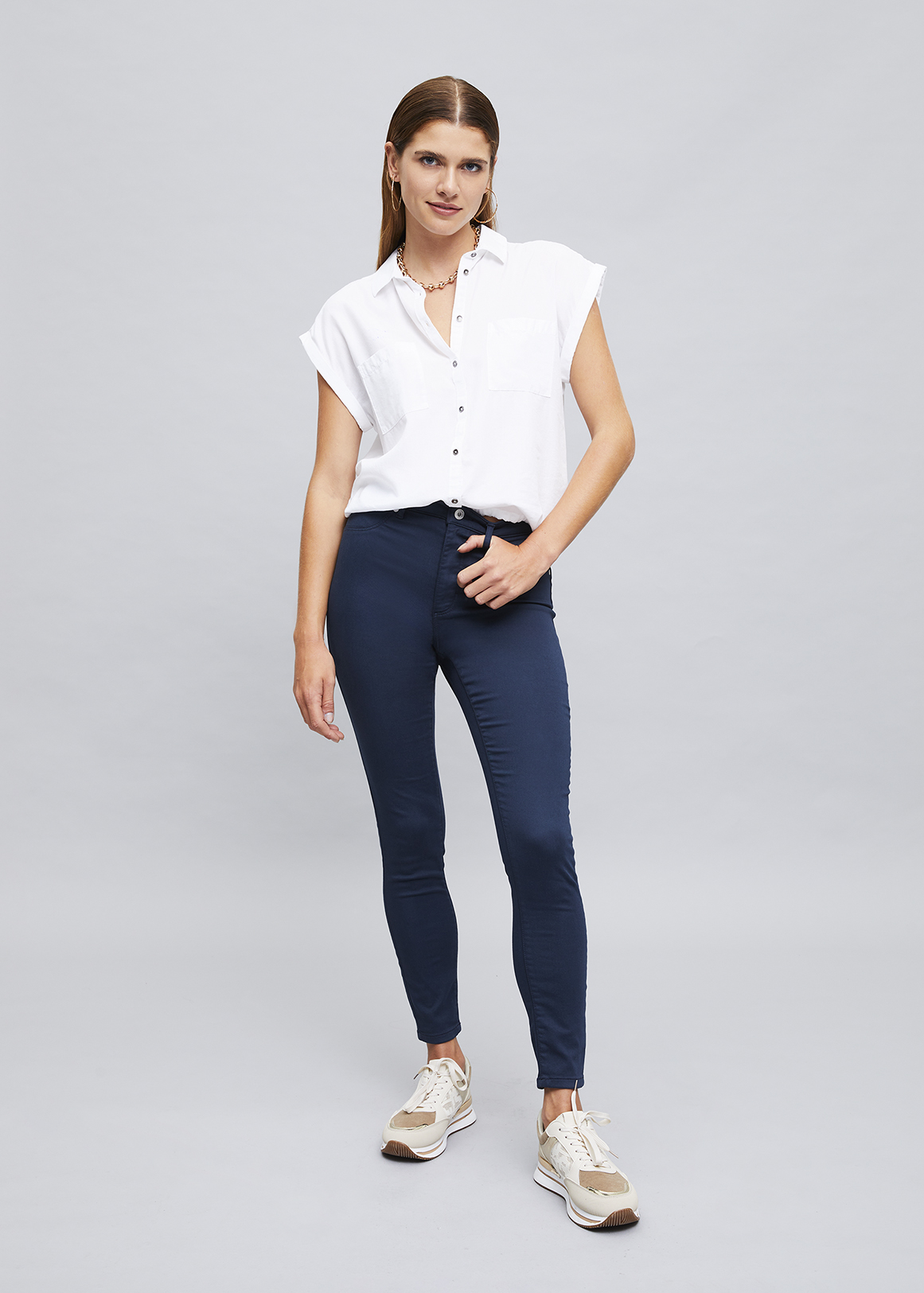 Real 33% off
claimed 80% off
High Rise Stretch Jean Leggings
R100
Real 33% off
claimed 80% off
High Rise Stretch Jean Leggings
R100  Real 40% off
claimed 70% off
Sterling Silver Anchor Bracelet
R269
Real 40% off
claimed 70% off
Sterling Silver Anchor Bracelet
R269 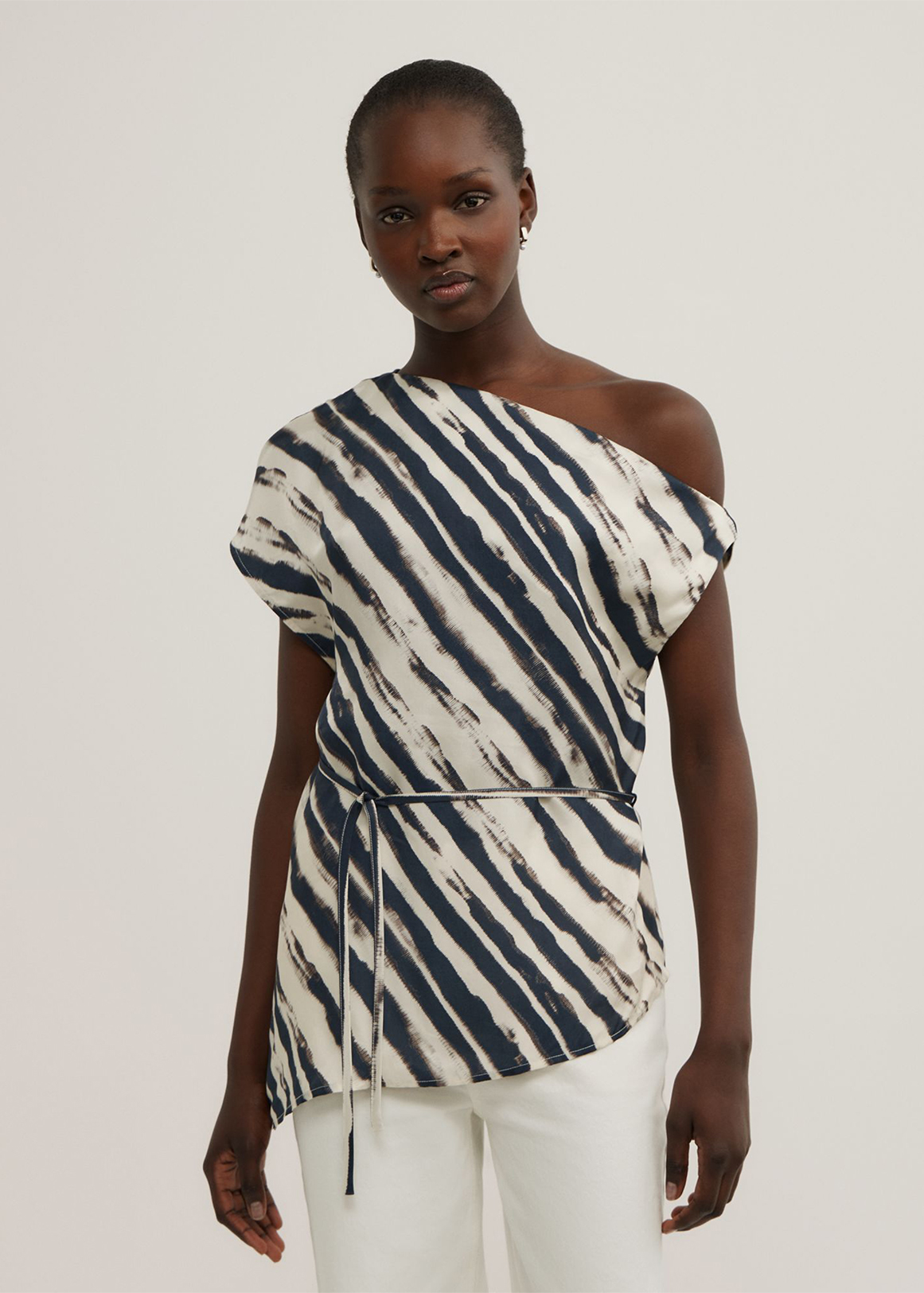 Real 43% off
claimed 71% off
Tipped Shoulder Top
R399
Real 43% off
claimed 71% off
Tipped Shoulder Top
R399  Real 40% off
claimed 67% off
Gold Plated Sterling Silver Cubic Zirconia Two-Tone Round Cluster Bracelet
R300
Real 40% off
claimed 67% off
Gold Plated Sterling Silver Cubic Zirconia Two-Tone Round Cluster Bracelet
R300 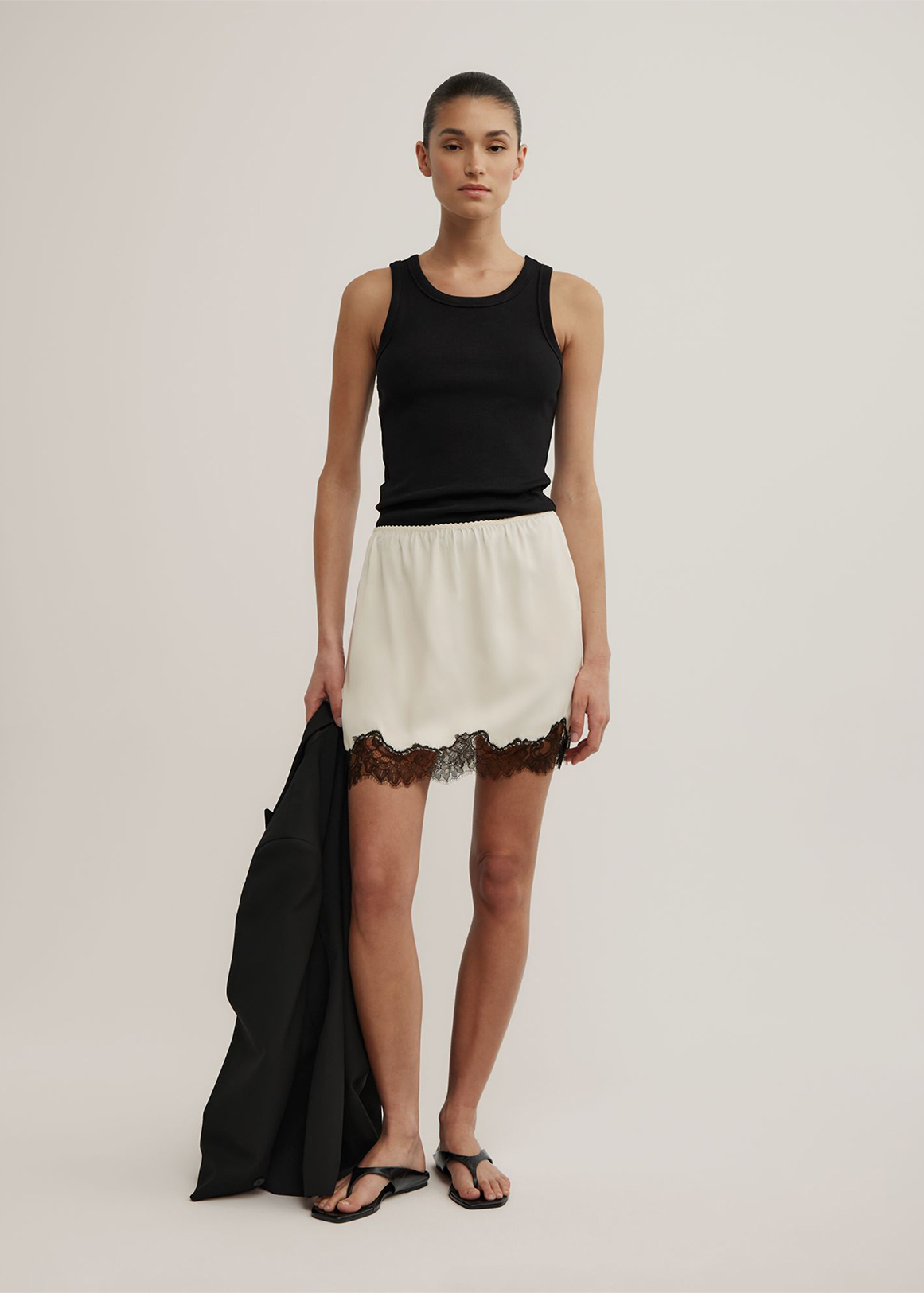 Real 38% off
claimed 64% off
Lace Trim Mini Skirt
R499
Real 38% off
claimed 64% off
Lace Trim Mini Skirt
R499  Real 50% off
claimed 70% off
Yellow Gold & Sterling Silver Beaded Row Ring
R800
Real 50% off
claimed 70% off
Yellow Gold & Sterling Silver Beaded Row Ring
R800 What to do instead
Judge today's price against what the item has actually held, not the crossed-out was-price. Look at the lowest and usual price on our chart, then decide whether today's number is genuinely good. If we have not tracked an item for long, treat it with more caution, not less, because we cannot see what it cost before we started watching. There is more on our method on the how we verify a deal page.